
Cost of Living in Chișinău vs Other Moldovan Cities: Where Is It Cheaper to Live?

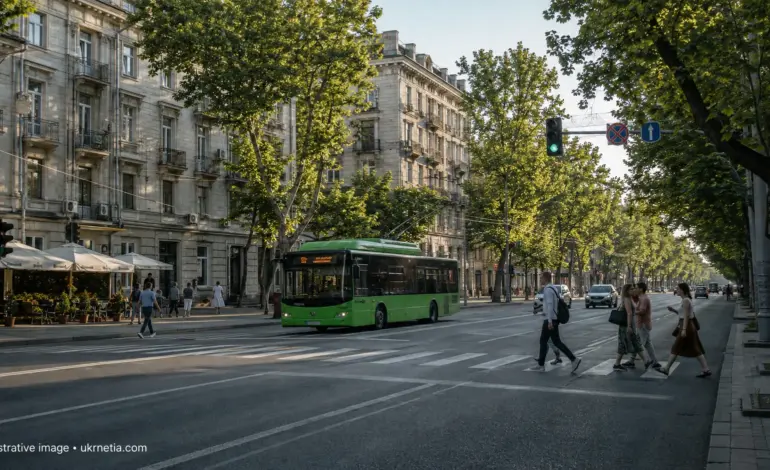
On a Tuesday morning in central Chișinău, a young project manager pays roughly 8,500 lei for a furnished one-bedroom apartment a few streets from Ștefan cel Mare Boulevard, buys a flat white for 60 lei on the way to the office, and rides a crowded trolleybus home for 7 lei that evening. Two hundred kilometers north, in Bălți, someone in a similar apartment pays closer to 5,000 lei, drinks coffee at a café where the same cup costs a third less, and knows nearly everyone on their street. Both are living in Moldova. Both would describe their lives as comfortable. Yet one is spending noticeably more each month than the other.
The obvious question is what that extra money actually buys. More restaurants? Faster buses? Better hospitals? A shorter commute to a better-paying job? Or simply a more expensive apartment market, inflated by demand the smaller cities never see?
This is the real puzzle of moving within Moldova — and it is more interesting than a list of “cheapest cities.” Because a city can be cheaper for reasons that help you (low rent) and reasons that quietly hurt you (low salaries, fewer jobs, thinner services). The cheapest place to live is almost never the same as the place that gives you the best life for your money. This feature is about the difference between those two things.
The Short Answer
Chișinău is, by a clear margin, the most expensive city in Moldova to live in — but “expensive” needs context. The single biggest driver of the gap between the capital and everywhere else is housing. Rent in central Chișinău can run two to three times what you would pay in Bălți, Cahul, Ungheni, Soroca, or Comrat for a comparable apartment. That is where the money goes.
Almost everything else narrows dramatically. Groceries in national supermarket chains are priced similarly across the country, because the same distributors supply Chișinău and the regions. Utilities depend far more on the size of your apartment and how it is heated than on which city you live in. Public transport is cheap everywhere, though it thins out fast in smaller towns, where a car becomes closer to a necessity than a luxury.
The catch is that the regions are not only cheaper — they also pay less. Wages outside the capital are lower, formal jobs are fewer, and entire sectors (IT, finance, international organizations) are concentrated in Chișinău. So the financial logic of leaving the capital depends almost entirely on where your income comes from. A remote worker or retiree with money arriving from elsewhere gets the low costs without the low wages, and comes out well ahead. Someone who needs to find a local job may discover that the cheaper city also offers a smaller paycheck — and the advantage shrinks or disappears.
In Short
Chișinău is Moldova’s most expensive city, driven overwhelmingly by rent. Bălți, Cahul, Ungheni, Orhei, Soroca, and Comrat all offer cheaper housing — often less than half the capital’s central prices — while groceries, utilities, and transport differ far less than people expect. But smaller cities also mean lower salaries and fewer jobs, so the real advantage depends on your income source. Remote workers, retirees, and anyone earning from outside the region benefit most; people relying on a local wage may find the savings largely offset by lower pay.
Chișinău: Moldova’s Most Expensive City
Everything that makes Chișinău expensive is a version of the same fact: this is where Moldova concentrates. Roughly a third of the country’s population lives in the capital and its immediate orbit. It holds the major universities, the national government, the foreign embassies and international organizations, the headquarters of the banks, and the overwhelming majority of the country’s IT and professional-services firms. When a well-paid job is created in Moldova, it is very often created here.
That concentration pulls people in, and people need somewhere to live. Add the wave of demand that followed 2022 — including displaced Ukrainians and returning Moldovans — and you get a rental market that has climbed hard over the past few years. According to market analysts, rents in Chișinău rose by roughly a quarter to a third between 2022 and 2024, and the pressure has not fully eased. The capital also has the widest choice of everything: restaurants, private clinics, gyms, cinemas, shopping malls, international-standard supermarkets, and the only real airport connections to the rest of Europe.
The crucial point, though, is one of frame. By Western European standards, Chișinău is not an expensive city at all. A central one-bedroom that costs €400–500 here would cost three or four times that in Warsaw, Prague, or Bucharest. What makes Chișinău feel expensive is not the international price tag — it is the local income measured against it. The average gross salary in Moldova sits around 16,000–17,400 MDL per month (roughly €800–870), and net take-home pay is meaningfully lower. Against that, a central apartment eating 7,000–9,000 lei a month is a serious bite. Chișinău is affordable to a foreigner and demanding to a local, and both statements are true at once.
The Main Cost Difference: Housing
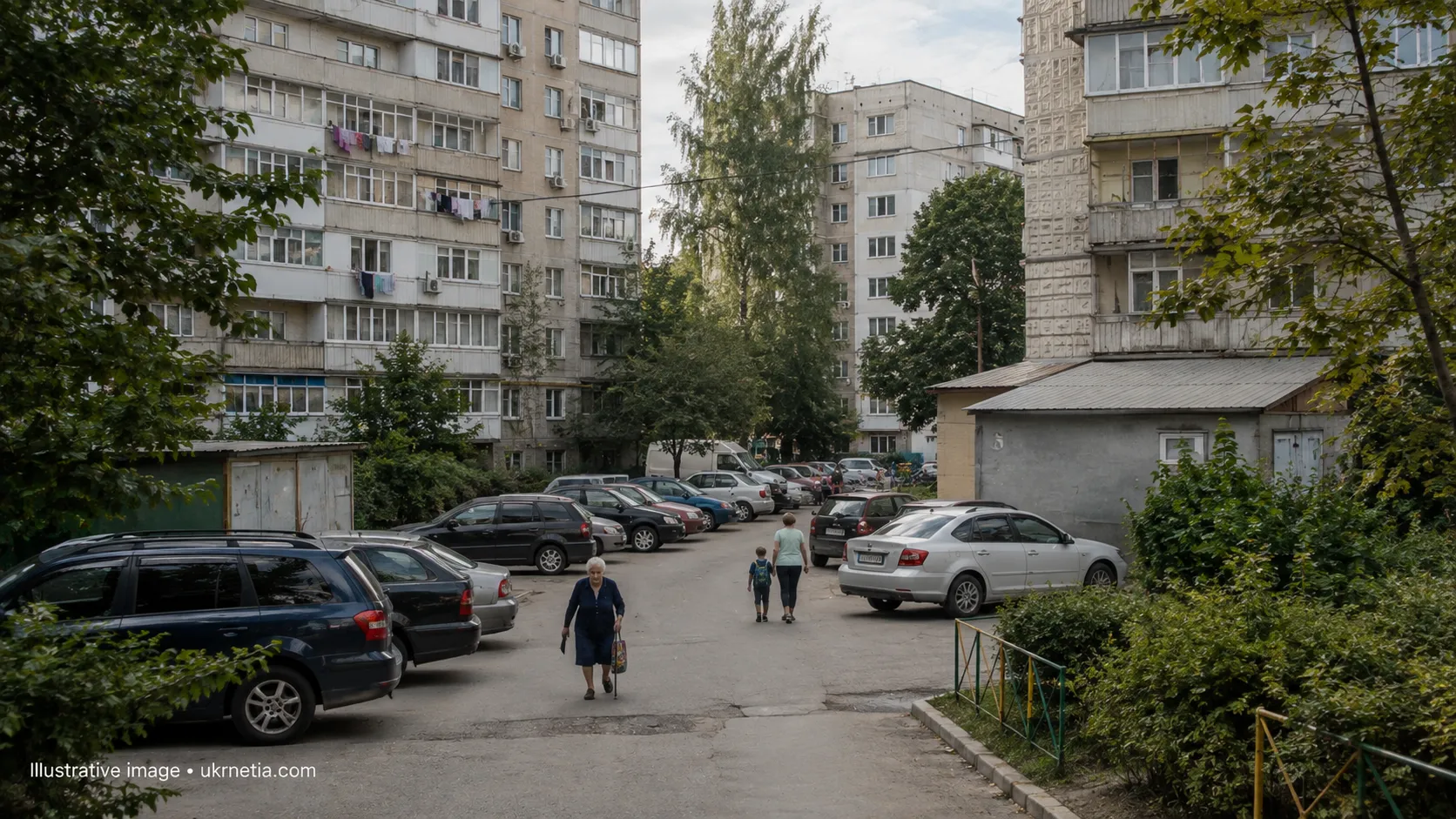
If you remember one thing from this article, make it this: housing is where the money is won or lost.
Here is the picture that current market data supports. In Chișinău, a furnished one-bedroom apartment in good condition — in a decent central or well-connected neighborhood — rents for roughly €400–500 per month (about 8,000–10,000 MDL), with two-bedrooms around €600–700. Older apartments in Soviet-era buildings are cheaper: closer to €300–350 for one-bedrooms and €400–450 for two-bedrooms. Move to the outer sectors — parts of Ciocana, Botanica, Rîșcani away from the parks, or the ring of suburbs like Ialoveni — and one-bedroom prices commonly fall to €250–350. The absolute cheapest studios advertise from around €180, and premium new-build or central apartments can run €800 and up.
Now the regions. In Bălți, Moldova’s northern hub, one-bedroom apartments typically rent for €250–350 and two-bedrooms for €300–450 — and basic units start lower, around €150. In Cahul, Ungheni, Orhei, and Soroca, a one-bedroom often lands around €200–250, with two-bedrooms near €300–350 depending heavily on condition and furnishing. Comrat, the center of the Gagauz region, sits in a similar band. Across all of these, the same variables move the price: furnished apartments cost more than empty ones; renovated flats command a premium over tired Soviet-era interiors; central location and working elevators and heating all add up.
A few practical mechanics travel across every city. Landlords usually ask for a deposit of one month’s rent (sometimes two), and utilities are typically paid on top of rent, not included. That last point matters for winter budgeting, because heating is the wildcard — a large, poorly insulated apartment on gas heating can double a monthly utility bill in January.
Approximate monthly rent, furnished apartment in good condition (2026)
| City | 1-bedroom | 2-bedroom |
|---|---|---|
| Chișinău (central) | €400–500 (~8,000–10,000 MDL) | €600–700 |
| Chișinău (outer / suburbs) | €250–350 | €350–500 |
| Bălți | €250–350 | €300–450 |
| Cahul | €200–250 | €300–350 |
| Ungheni | €200–250 | €280–350 |
| Orhei | €200–250 | €280–350 |
| Soroca | €180–250 | €270–330 |
| Comrat | €180–250 | €270–330 |
Ranges are market estimates drawn from Moldovan real-estate portals and expat/relocation sources, mid-2026. Actual prices swing widely with condition, furnishing, and exact location. Exchange rates fluctuate; figures assume roughly 1 EUR ≈ 20 MDL.
The reason rent, and rent alone, separates Chișinău so sharply from the rest is simple: land and apartments are priced by demand, and demand is a function of jobs, universities, and people wanting to be near them. That machinery runs hot in the capital and idles in the regions.
Groceries: Is Food Really Much Cheaper Outside Chișinău?
Here is where intuition tends to fail people. It feels obvious that a small town must have cheaper food than the capital. In practice, the difference is modest — and for a lot of your shopping basket, close to zero.
The reason is structure. Moldova’s supermarket landscape is dominated by national chains — Linella, Fidesco, Kaufland, Nr.1, Green Hills and others — that buy centrally and ship to stores across the country. A liter of milk, a loaf of bread, a bag of rice, a package of pasta, a bottle of sunflower oil, a block of imported cheese: these are priced by the chain, not by the town. A carton of milk costs on the order of 20–22 lei whether you buy it in Chișinău or Cahul. Bread in Chișinău is, by international rankings, among the very cheapest in Europe — and it is not meaningfully more expensive in the regions. Coffee, imported goods, branded products, and anything that traveled a long way to reach the shelf are essentially national prices.
Where a smaller city genuinely helps is at the local market and with seasonal, locally produced food. Moldova is an agricultural country, and in a regional town you are physically closer to the source. In late summer, tomatoes, peppers, eggplant, grapes, apples, and stone fruit can be strikingly cheap at a regional piață, sold by the people who grew them, and often cheaper than the equivalent in a Chișinău supermarket. Eggs, potatoes, seasonal vegetables, and homemade cheese from a market stall reward the shopper who buys where the food is grown. A household that cooks from scratch and shops seasonally at markets will save more in a regional city than one that fills a supermarket cart with the same national-brand products it would buy anywhere.
So the honest verdict: do not budget for dramatically cheaper groceries outside the capital. Budget for slightly cheaper, with real savings available if you shift toward markets and seasonal local produce — and roughly flat prices for everything that comes in a package.
Utilities
Utilities are the category where the city name matters least of all. What actually drives your bill is the apartment: its size, its heating system, its insulation, the season, and how many people live in it.
A comprehensive utilities bill in Moldova bundles electricity, gas, central or gas heating, water, and waste collection. For a mid-sized apartment, market estimates put a typical monthly figure in the rough range of €130–170 across the coldest months, dropping substantially in summer when heating is off. The swing between January and July can be larger than any difference between Chișinău and Bălți. A small, well-insulated one-bedroom will cost far less to heat than a drafty three-room apartment, regardless of which city it sits in. Central heating (available in the larger cities’ apartment blocks) behaves differently from autonomous gas heating, where you control — and pay for — your own consumption.
On top of the core utilities, internet is cheap and genuinely excellent nationwide — Moldova has some of the fastest, most affordable fixed broadband in the region, typically a low fixed monthly fee whether you are in the capital or a regional town — and mobile plans are similarly inexpensive countrywide. These are among the few costs that are effectively identical everywhere.
The takeaway: when you compare two apartments, compare their heating and their square meters, not their postal codes.
Transportation
Chișinău
Getting around the capital is cheap by any European measure and slightly less cheap than it used to be. As of May 2026, a single ride on a trolleybus, bus, or minibus (marshrutka) costs 7 MDL, up from 6. A general monthly pass runs 273 lei, with student passes far lower. Trolleybuses are the backbone, buses fill in the longer routes, and marshrutky are the fast, flexible option that goes where the fixed lines don’t. Ride-hailing via apps like Bolt and Yango is widely used, affordable by Western standards, and the only real option after roughly 11 p.m., when public transport stops. Much of the central city is also perfectly walkable.
A realistic monthly transport budget for someone relying on public transit in Chișinău is small — a monthly pass plus occasional taxis might total 400–700 lei.
Smaller cities
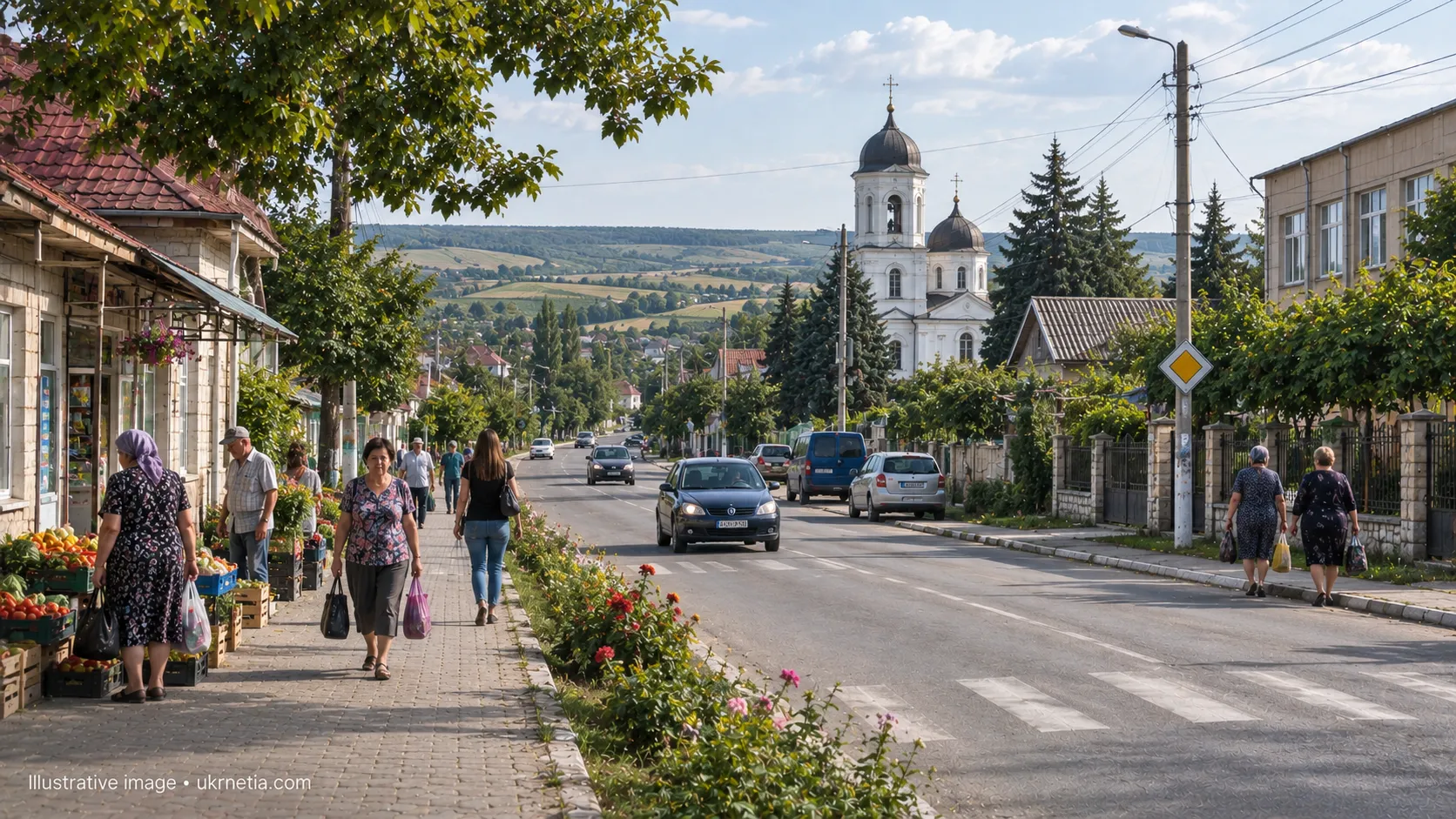
In Bălți, Cahul, Ungheni, and the other regional centers, local transport is even cheaper and simpler: a handful of bus and minibus routes, low single fares, and cheap taxis. Because the cities are smaller, walking covers more of daily life. The trade-off appears the moment you need to leave town. Regional and rural Moldova is far more car-dependent, and inter-city travel — a marshrutka from Cahul to Chișinău, say — is cheap per trip but time-consuming and infrequent. Someone living in a smaller city who regularly needs the capital’s hospitals, offices, or airport will likely end up owning a car, and fuel (around €1.10 per liter) plus maintenance is a real line item that a car-free Chișinău resident avoids entirely.
So smaller cities are cheaper to move around inside and more expensive to escape from.
Restaurants, Cafés and Everyday Leisure
This is where Chișinău earns some of its premium honestly. The capital has, by a wide margin, the most restaurants, cafés, bars, gyms, cinemas, and cultural venues in the country — and the widest range of price points, from a 100-lei lunch to a serious tasting menu. An inexpensive restaurant meal runs roughly 150–200 lei; a three-course dinner for two at a mid-range place lands in the region of 600–800 lei; a coffee is 40–70 lei. There is nightlife, live music, film, and a genuine café culture.
In Bălți and the regional cities, two things are true at once. Prices are lower — the same cup of coffee or plate of food often costs noticeably less — but the choice is far narrower. You will find good, affordable local restaurants and cafés, but not the density or variety, and the evening winds down earlier. For some people that is a downgrade; for others it is exactly the point. A quieter social scene at lower prices is a feature if you were never going to spend four nights a week out anyway. The person who values optionality pays for it in Chișinău; the person who values calm gets a discount everywhere else.
Salaries and Jobs: The Other Side of the Equation
A low cost of living is only half of a financial situation. The other half is what you earn — and this is where the simple “regions are cheaper” story gets complicated.
Moldova’s average gross salary is around 16,000–17,400 MDL per month (roughly €800–870), but that national figure hides two enormous gaps. The first is sectoral: as of early 2026, average pay in information and communication ran near 39,000 lei, in finance and insurance around 28,000 lei, while agriculture sat near 10,000 lei and hospitality near 11,000 lei. The second gap is geographic. Chișinău wages are substantially above the national average, because the capital holds the high-paying sectors, and the regions skew toward the lower-paying ones — public-sector jobs, retail, manufacturing, agriculture, and hospitality.
This is the heart of the whole comparison. The choice is rarely “same salary, cheaper city.” It is usually a trade between two packages:
- Lower rent + lower salary (a regional city, a local job)
- Higher rent + higher earning potential (Chișinău, access to the best-paid sectors)
Which package wins depends entirely on your circumstances. If you must earn locally, the capital’s higher rent may be justified by its higher wages and its sheer density of opportunity — the regions can be cheaper and still leave you with less at the end of the month. But if your income is decoupled from the local labor market — a remote salary, a pension, a business run online — you capture the regions’ low costs while keeping an income the local economy could never pay you. For that person, leaving Chișinău is close to a free upgrade.
Chișinău vs Bălți

Bălți is Moldova’s natural second city and the obvious first comparison. Roughly two hours north of the capital, it is the industrial and commercial heart of the north, with a university, a strong Russian-speaking community, and a compact, walkable center.
On the numbers: rent is the headline saving, with one-bedrooms commonly €250–350 against the capital’s €400–500 central range. Groceries are essentially the same (national chains), with a small edge at Bălți’s markets. Transport is cheaper and simpler, though the city is more car-friendly than car-required. Restaurants and leisure cost less but offer far less variety. On jobs, Bălți has a real economy — manufacturing, retail, services, some tech — but nothing like the capital’s depth, and salaries run lower. Healthcare and education are solid for a regional city but thinner than Chișinău’s specialist hospitals and university choice.
Who prefers Bălți: someone who wants the lowest costs of any major city while still having urban amenities, a local job base, and a community feel — and who does not need the capital’s specialized services week to week. Who benefits from Chișinău: anyone whose career depends on the sectors and networks that only exist there.
Chișinău vs Cahul

Cahul sits in the far south, known for its thermal spa, its rural surroundings, and — crucially — its proximity to Romania, and by extension the EU. Its housing is among the most affordable of any real city in the country: urban apartments are cheap both to rent (one-bedrooms around €200–250) and to buy, and houses on the edge of town are within reach for many.
The lifestyle is small-city and slower, with fewer services and a modest job market centered on public administration, retail, agriculture, the spa economy, and cross-border activity. Transport within Cahul is cheap; the distance to Chișinău (several hours) makes the capital a trip rather than a commute. What gives Cahul a distinct appeal is that Romanian border: for people who value easy access to the EU, family ties across the frontier, or the option of Romanian services and shopping, Cahul’s position is a genuine asset that Chișinău cannot match. Who finds Cahul attractive: budget-focused residents, people with Romanian connections, and anyone drawn to a quiet southern town with spa-country around it.
Chișinău vs Ungheni
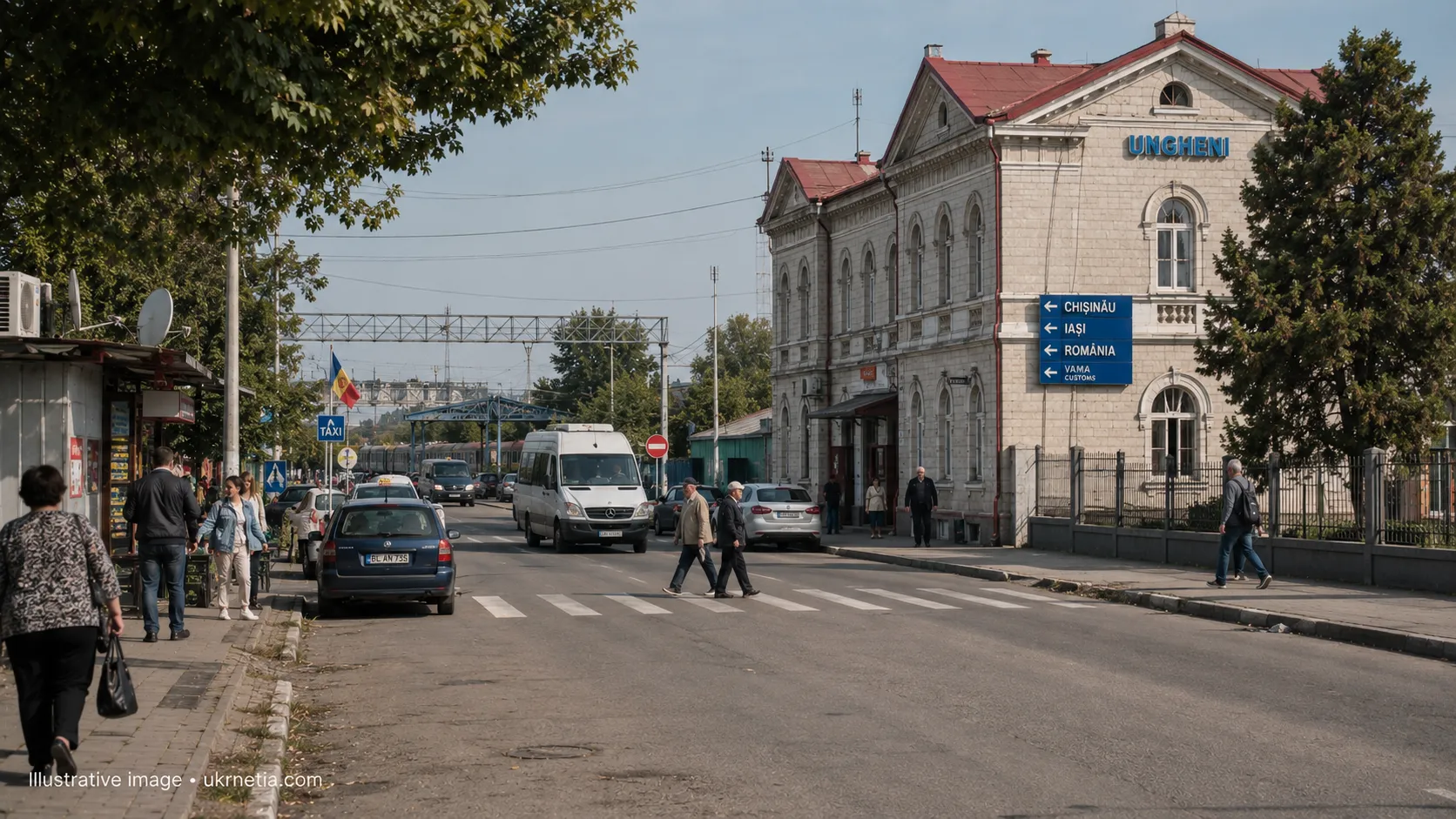
Ungheni’s defining feature is written into its geography: it sits directly on the Prut, on the Romanian border, and on the railway — it is a rail gateway between Moldova and Romania. That connectivity is its calling card.
Housing is affordable in the regional band (one-bedrooms around €200–250), daily life is calm, and the town has a functional local economy anchored by its border and transit role, some industry, and public-sector employment. The rail and road links to both Chișinău and Iași (the large Romanian city just across the border) make Ungheni unusually well-connected for a town its size — you can reach two real cities without owning a car. The limitations are the familiar ones: a smaller job market, fewer specialized services, and less to do in the evenings. Ungheni suits people who want low costs plus genuine cross-border mobility, and who can either work remotely or fit the local economy.
Chișinău vs Orhei
Orhei’s advantage is distance — or rather, the lack of it. It lies less than an hour north of Chișinău, close enough that the capital’s jobs, hospitals, and airport are realistically commutable or reachable for a day trip. That single fact changes the calculation.
Housing is regional-priced and well below the capital (one-bedrooms around €200–250), the town is calm and family-friendly, and the nearby Orheiul Vechi cultural-natural reserve puts real countryside on the doorstep. Local services cover everyday needs, and for anything more specialized, Chișinău is a short drive. The result is a hybrid: you can pay small-city rent, raise a family in a quieter place, and still tap the capital’s opportunities without fully relocating your life there. Orhei appeals to families and to people who want a smaller-city environment without cutting themselves off from Chișinău — arguably the best “near-capital discount” in the country. The trade-off is that its local economy is modest, so many residents still orient their working lives toward Chișinău.
Chișinău vs Soroca

Soroca sits in the north on the banks of the Dniester, close to the Ukrainian border, wrapped around its famous medieval fortress. It is one of the more affordable cities on this list, with the lowest end of regional rents (one-bedrooms from around €180) and cheap houses.
The upside is clear: very low housing costs, a scenic riverside setting, and an unhurried northern-town rhythm. The downside is equally clear: Soroca is far from Chișinău — the longest haul of the cities compared here — which makes the capital’s job market and specialized services genuinely distant rather than merely inconvenient. The local economy is small, weighted toward public-sector jobs, retail, and agriculture, and formal employment options are limited. Soroca rewards those who don’t need the capital: retirees, remote workers, people with local roots, and anyone who prioritizes cheap housing and quiet over access. For someone reliant on frequent trips to Chișinău, the distance is a real cost in time and fuel.
Chișinău vs Comrat

Comrat is the administrative center of Gagauzia, the autonomous region in the south, and home to a Gagauz-majority population with its own Turkic language alongside Russian and Romanian. It functions as the region’s hub, with a university, local government, and the commercial life of a small southern city.
Approached factually: housing is affordable in the regional band (one-bedrooms roughly €180–250), groceries follow national-chain pricing with cheap local produce at the market, and utilities and transport behave as they do elsewhere in regional Moldova. The local economy centers on agriculture (the region is wine and farming country), public administration, education, and retail, with salaries in the lower national range. What Comrat offers that the others don’t is a distinct cultural environment — a genuinely different linguistic and community life within Moldova. For residents who value that community, or have roots in it, Comrat is home in a way no spreadsheet captures. For an outside remote worker or retiree, it offers the same low costs as other regional cities, with the same trade-offs of limited services and a small job market, plus the practical note that Russian is the more useful everyday language here than Romanian.
Chișinău vs Smaller Towns and Rural Moldova
Below the regional cities lies another tier entirely: small towns, villages, and the countryside, where the cost equation changes shape again.
Housing is where rural Moldova is dramatically cheaper. Renting is uncommon and cheap where it exists; buying a village house with land can cost a fraction of a city apartment; and many rural households own their home outright and grow a meaningful share of their own food. That combination — no rent, homegrown vegetables, kept chickens, a cellar of preserves — can push cash outgoings well below anything possible in a city. In pure housing-and-food terms, the village is the cheapest place in Moldova to exist.
But the costs migrate elsewhere. Rural life is heavily car-dependent; without one, you are stranded. Healthcare access thins — a serious medical need means traveling to a city. Employment is scarce and largely agricultural, which is precisely why so many working-age Moldovans have left villages for Chișinău or abroad. Education choices narrow, and specialized services vanish. Internet, notably, is a bright spot — even many villages have decent fixed broadband, which is what makes rural remote work feasible at all. The rural bargain is real but conditional: it rewards people who own their home, have their own transport, need little from formal services, and either work remotely or draw a pension. It punishes anyone who needs the things a city provides.
Monthly Budget Comparison
The table below sketches realistic all-in monthly budgets — rent, utilities, groceries, transport, and modest leisure — for three household types across four settings. These are illustrative ranges, not guarantees; your actual number depends on the apartment you choose, how you shop, and how you live. Rural figures assume renting rather than an owned home (which would be dramatically lower).
| Household | Chișinău | Bălți | Regional city (Cahul/Ungheni/Soroca) | Small town / rural |
|---|---|---|---|---|
| Single person | ~14,000–22,000 MDL (€700–1,100) | ~9,000–14,000 MDL | ~8,000–12,000 MDL | ~6,000–10,000 MDL |
| Couple | ~20,000–30,000 MDL (€1,000–1,500) | ~13,000–20,000 MDL | ~12,000–18,000 MDL | ~9,000–14,000 MDL |
| Family of four | ~28,000–42,000 MDL (€1,400–2,100) | ~19,000–28,000 MDL | ~17,000–26,000 MDL | ~13,000–20,000 MDL |
Approximate all-in monthly living costs, mid-2026, assuming rented housing. Ranges reflect the span between a modest and a comfortable lifestyle. Rent is the dominant variable and the main reason the Chișinău column sits higher. 1 EUR ≈ 20 MDL; rates fluctuate.
The pattern is consistent: the household spending gap between Chișinău and the regions is real, it is driven mostly by rent, and it widens with household size because bigger families need bigger (and therefore more expensively different) apartments.
Where Can You Live Comfortably on €1,000?
Take €1,000 a month — roughly 20,000 MDL — as a concrete test, and watch how far it stretches depending on where you stand.
In Chișinău, €1,000 is a comfortable single-person budget and a workable-but-careful one for a couple. It covers a decent central-ish one-bedroom, utilities, groceries, transport, and a reasonable amount of eating out and leisure — but it is not luxury, and a family of four would feel it as tight.
In Bălți, the same €1,000 goes markedly further: a good apartment, all your bills, and a genuine cushion for savings or leisure for a single person, and a comfortable budget for a couple.
In Cahul or another regional city, €1,000 is generous for one person and comfortable for a couple — the low rent frees up a large share of the total for everything else.
In a smaller town, €1,000 can support a family in relative comfort, especially if housing is owned rather than rented.
The lesson is not that any one figure is “enough” or “not enough,” but that the same income buys a visibly different life depending on the map. This is exactly why a remote worker earning €1,000 from abroad is doing something financially different from a local earning €1,000 — the former can choose the cheapest map and keep the difference.
Where Can You Save the Most?
Ranked by how much moving out of Chișinău actually saves you:
- Housing. By a distance the largest saving — often half the rent or better for a comparable apartment. This is the whole game.
- Some services and everyday costs. Local services, home repairs, personal care, and market produce tend to run cheaper in the regions.
- Dining and leisure. Restaurants, cafés, and gyms cost less outside the capital — though you also get less of them.
- Transport, in certain circumstances. Cheaper if you rely on local transit and walking; potentially more expensive if the smaller city forces you into car ownership for regional travel.
And the categories where leaving Chișinău barely helps — or doesn’t help at all:
- Supermarket groceries — national-chain pricing is roughly uniform.
- Electronics, appliances, and imported products — same national or import prices everywhere.
- Branded and international goods — priced nationally, sometimes only available in the capital.
- Certain professional services — specialized medical, legal, or financial services may only exist in Chișinău at any price.
What Do You Give Up by Leaving Chișinău?
Balance requires naming the losses honestly, without turning the regions into a cautionary tale.
Leaving the capital means fewer jobs and a shallower market, especially in well-paid sectors. It means fewer international companies and the networks that come with them. It means fewer restaurants, cafés, and cultural events, and a quieter social calendar. It means fewer specialized healthcare services — the country’s best hospitals and specialists cluster in Chișinău — and fewer educational options, particularly at university level. Public transport is less frequent and regional travel more car-dependent. The expat and professional-networking community is smaller, which matters to foreigners and to anyone building a career through connections. None of this makes the regions bad places to live. It makes them places where you trade access for affordability — a fair trade for some people and a bad one for others.
What Do You Gain?
The other side of that ledger is substantial. Leaving Chișinău buys you lower rent — the biggest single win — and often a larger home for the same money. It buys quieter streets, less traffic, and a slower pace that many people find restores something the capital wears down. It tends to come with stronger, more legible local communities, where neighbors know each other and daily life is less anonymous. It puts nature closer — the Dniester at Soroca, the reserve near Orhei, the spa country around Cahul, open countryside minutes away almost everywhere. And it lowers everyday service costs and the low-grade financial and mental stress of an expensive, crowded capital. How much these gains are worth is deeply personal — they mean everything to some people and little to others — and they depend on the specific city and the life you actually lead.
Best Moldovan City for Different Types of People
These are reasoned starting points, not verdicts — the right answer always depends on the individual.
Best for young professionals: Chișinău, clearly. The jobs, the salaries, the sectors, the networks, and the social life are concentrated here, and at this career stage access matters more than cheap rent.
Best for remote workers: A regional city — Bălți, Cahul, Ungheni, or Orhei — where a foreign or remote salary meets regional rents and Moldova’s excellent cheap internet. Orhei adds proximity to the capital; Cahul and Ungheni add proximity to Romania.
Best for families: Orhei is a strong bet — near-capital access with small-city calm and countryside — with Bălți the choice for those wanting a fuller urban base. Chișinău wins if schooling and career depth outweigh space and cost.
Best for retirees: Soroca, Cahul, or a smaller town — low costs, quiet, scenery, and no need for the capital’s job market. Proximity to a regional hospital is the variable to weigh.
Best for students: Chișinău for the universities and student life; Bălți and Comrat also have universities at lower cost.
Best for people on a limited local income: A regional city or town, where low rent stretches a modest local salary or pension furthest — provided a suitable job exists.
Best for people earning a foreign salary: Almost anywhere outside Chișinău. This is the group that most cleanly captures Moldova’s low costs without its low wages.
Best for people who want proximity to Romania: Ungheni (rail and road to Iași) or Cahul (southern border) — both put the EU within easy reach.
Is Chișinău Worth the Extra Cost?
Here is the analytical core of the whole comparison. Paying Chișinău’s premium is justified when you are drawing on what the capital uniquely provides: a real, well-paid job in a concentrated sector; university education; specialized healthcare; a dense professional network; frequent entertainment and culture; the country’s international travel links; and the sheer convenience of a car-free urban life where everything is close. For a young professional, a career-builder, a student, or anyone whose livelihood is wired into the capital’s economy, the higher rent is the price of admission to the opportunities that pay for it — and it is often worth paying.
It stops being worth it when you don’t actually use what you’re paying for. If your income arrives from remote work or a pension, if you’re retired, if you prefer quiet to nightlife, if you want a larger home or a family life with more space, if you can work remotely and only need the capital occasionally, and if you depend little on city services — then Chișinău’s premium is money spent on options you won’t exercise. In that case a regional city or town gives you nearly everything you’ll use, for substantially less, and the capital’s cost becomes exactly that: a cost with no matching benefit. The question is never “is Chișinău expensive?” It is “am I buying what Chișinău sells?”
Myths vs Reality
Myth: “Everything is cheaper outside Chișinău.” Reality: Housing is much cheaper, and that’s the big one — but supermarket groceries, imported goods, electronics, and utilities are roughly the same nationwide. The savings are concentrated in rent, not spread evenly across your whole budget.
Myth: “Chișinău is expensive by European standards.” Reality: It is one of the more affordable capitals in Europe in absolute terms — a central apartment costs a fraction of Warsaw or Bucharest. It only feels expensive when measured against local Moldovan incomes, which is the correct frame for residents but misleading for anyone earning from abroad.
Myth: “Smaller cities have nothing to offer but cheaper rent.” Reality: Lower housing costs are the headline, but the regions also offer quieter streets, more space, stronger communities, easy access to nature, and — in cities like Ungheni and Cahul — genuine proximity to Romania and the EU.
Myth: “You’ll always be financially better off in a cheaper city.” Reality: Only if your income doesn’t fall with the cost of living. A local job in a regional city usually pays less, which can offset much of the rent saving. The advantage is real mainly for people earning from outside the local economy.
Myth: “Groceries at a village market cost nothing.” Reality: Seasonal, local produce is genuinely cheap and better outside the capital — but packaged, branded, and imported foods are national-priced everywhere, and out of season the difference shrinks.
Why the Differences Exist
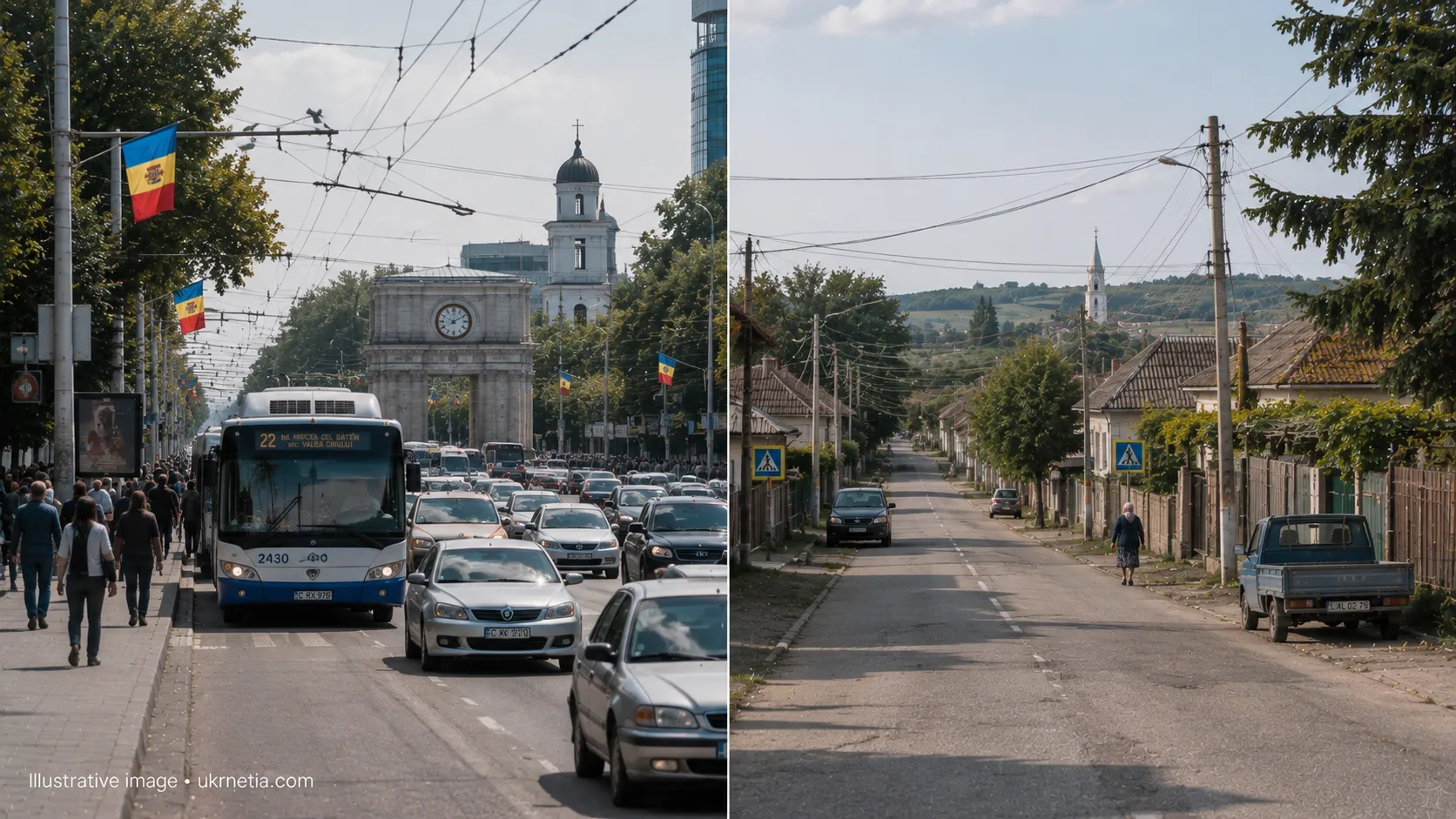
The city-to-city gap isn’t random; it’s the visible result of how Moldova’s economy is organized. Population and economic activity concentrate in Chișinău, which holds a third of the country’s people and a far larger share of its well-paid work. That concentration creates housing demand the regions never generate, and demand sets rent. The capital hosts the infrastructure — universities, hospitals, government, international organizations, corporate headquarters — that both attracts people and justifies higher prices. Internal migration compounds it: as working-age Moldovans move from villages and small towns toward the capital (or abroad), demand in Chișinău rises while the regions hollow out, pushing the two further apart. Meanwhile proximity to borders shapes regional economies — Ungheni and Cahul lean on Romania, Soroca and Bălți on the north — and the public services available in each place track its size and importance. Chișinău is more expensive, in short, because it is where Moldova concentrates its people, its jobs, and its institutions, and prices follow that gravity.
Why It Matters Today
This comparison is a small window onto larger forces reshaping Moldova. The gap between capital and regions is a story of regional inequality and capital-city concentration — the same dynamic playing out across much of Europe, where opportunity and cost both pile up in one or two cities. It is a story of housing affordability, as Chișinău’s rents climb faster than regional wages. It intersects with Moldova’s demographic change — an aging population, years of emigration, and the slow depopulation of villages. And it is increasingly shaped by two newer currents: returning emigrants, deciding whether to resettle in the capital or a cheaper hometown, and remote work, which for the first time lets people earn a city (or foreign) income while paying regional costs. Whether Moldova’s smaller cities revive or continue to thin out will depend partly on how many people conclude that the regions now offer a better deal than the crowded, pricier capital. The math in this article is, quietly, part of that national question.
Key Takeaways
- Chișinău is Moldova’s most expensive city, but affordable by European standards — expensive mainly relative to local incomes.
- Housing is the decisive difference. Central Chișinău rent can run two to three times a comparable regional apartment; everything else varies far less.
- Groceries are not much cheaper in the regions, because national supermarket chains price uniformly — though local markets and seasonal produce do save money.
- Utilities and transport depend more on your apartment and habits than on which city you live in; smaller cities can push you toward car ownership.
- Smaller cities pay less, too. Lower rent often comes with lower salaries and fewer jobs, so local income can offset the savings.
- Remote workers and retirees benefit most — they capture regional costs while keeping an income the local economy couldn’t pay.
- Chișinău’s premium is worth it when you use its jobs, education, healthcare, and networks — and not worth it when you don’t.
Frequently Asked Questions
Is Chișinău the most expensive city in Moldova? Yes. It has the country’s highest rents and broadly the highest overall cost of living, driven mainly by housing demand. It also has the highest salaries and the most opportunities, so “most expensive” and “best-paid” go together.
Which Moldovan city has the cheapest rent? Among the main cities, Soroca and Comrat sit at the low end, with one-bedrooms sometimes from around €180, closely followed by Cahul, Ungheni, and Orhei. Small towns and villages are cheaper still. Bălți is the most affordable of the larger cities.
Is Bălți cheaper than Chișinău? Yes, clearly — especially on rent, where Bălți one-bedrooms often run €250–350 versus €400–500 in central Chișinău. Groceries and utilities are similar; Bălți’s salaries are lower.
Is Cahul cheaper than Chișinău? Yes. Cahul has some of the most affordable urban housing in the country and lower everyday costs, with the added draw of proximity to Romania — but a smaller job market and fewer services.
Which Moldovan city is best for families? Orhei is a strong option — small-city calm and countryside, less than an hour from the capital’s jobs and hospitals. Bălți suits families wanting a fuller urban base, and Chișinău wins where schooling and career depth matter most.
Is it cheaper to live in a Moldovan village? In housing and food, yes — often dramatically, especially if you own your home and grow some of your own food. But you take on car dependence, limited healthcare, and scarce local jobs, so it suits retirees, remote workers, and those with rural roots.
How much money do you need to live comfortably in Chișinău? A single person can live comfortably on roughly €700–1,100 (about 14,000–22,000 MDL) a month including rent; a couple closer to €1,000–1,500; a family of four more. Less than that is livable but tighter.
Is Chișinău expensive for foreigners? No — for someone earning a Western salary, Chișinău is inexpensive, with central apartments at a fraction of EU-capital prices. It is “expensive” only relative to local Moldovan wages.
Which Moldovan city is best for remote workers? A regional city — Bălți, Cahul, Ungheni, or Orhei — pairs low rent with Moldova’s fast, cheap internet, letting a remote income go a long way. Orhei adds capital access; Cahul and Ungheni add Romanian proximity.
Is moving outside Chișinău worth it? It depends on your income. If you earn remotely or draw a pension, moving out captures big savings for little sacrifice. If you need a local job, the lower regional salaries can offset the cheaper rent — so weigh both sides, not just the price of an apartment.
Final Thoughts
The temptation, reading a piece like this, is to look for the single cheapest city and call it the answer. But that was never the right question. The cheapest place to live in Moldova is a village where you own your home and grow your food — and for most people, that isn’t the best place to live at all.
The better question is the one that runs underneath every section above: which city gives you the best balance between what you earn, what you spend, and how you want to live? Chișinău offers opportunity, convenience, and the country’s best-paid work, at the country’s highest prices. The regional cities — Bălți, Cahul, Ungheni, Orhei, Soroca, Comrat — offer affordability, space, and a slower rhythm, at the cost of fewer jobs and thinner services. Rural Moldova offers the lowest housing costs of all, and the fewest services of all.
No single one of these is “best.” The right choice falls out of your own particulars — where your income comes from, what your family needs, how much you rely on a city, and what kind of daily life makes you feel at home. Get those straight, and the map more or less sorts itself.
Why This Story Matters to the World
The distance between Chișinău and Moldova’s smaller cities is a local version of a story unfolding across Europe and beyond. Nearly everywhere, opportunity and cost are concentrating in a handful of capitals and big cities, while regions and small towns grow cheaper, quieter, and — too often — emptier. The result is a widening tension between where the good jobs are and where ordinary life is affordable, playing out in housing markets, migration patterns, and shifting demographics. Moldova compresses this into an unusually clear case: a single dominant capital, a ring of affordable regional cities, and a countryside that is cheapest of all yet steadily losing people. Now remote work is beginning to loosen the old rule that you must live where you earn — potentially letting income and cost of living decouple, and giving smaller places a fighting chance. How that resolves in Moldova is a preview of a choice millions across the continent are quietly weighing.
Continue Exploring Moldova
- How Much Does It Cost to Live in Moldova?
- Cost of Living in Chișinău: A Complete Guide
- Best Cities to Live in Moldova
- Average Salaries in Moldova: What People Really Earn
- Renting an Apartment in Chișinău: A Practical Guide
- Moldova vs Romania: Cost of Living Compared
- Is Moldova a Good Country for Remote Workers?
- Buying Property in Moldova: What You Need to Know