Is Moldova a Good Country for Digital Nomads?


An honest, research-based look at Europe’s least-visited country as a base for remote work — who thrives there, who struggles, and why the answer depends almost entirely on what you personally want
Last major update: August 2026. This guide contains immigration, tax, cost and connectivity information that changes frequently. Verify current rules with Moldovan authorities before making decisions.
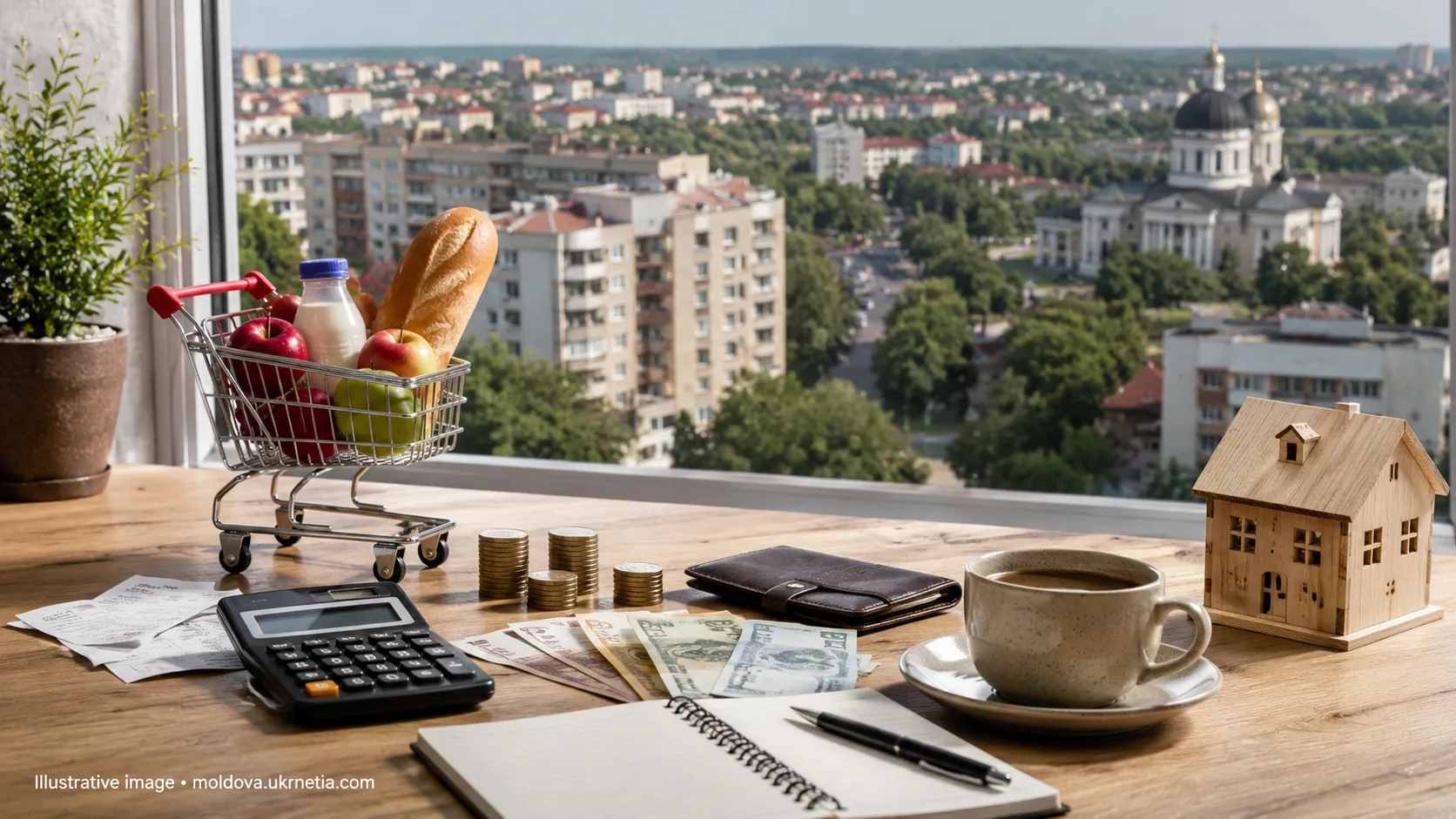
There is a particular kind of arithmetic that seduces remote workers. A one-bedroom apartment in central Chișinău rents for somewhere around $525 a month; the same mofney buys a fraction of a room in Lisbon or Berlin. A mid-range restaurant meal costs roughly $8; a taxi across the city, a few dollars. For a person earning euros or dollars from a foreign employer, Moldova can feel almost implausibly inexpensive. Numbeo, the crowdsourced price database, ranks Chișinău among the cheapest European capitals for everyday staples like bread, wine and taxis.
But affordability is only one variable in the digital nomad equation, and often not the decisive one. A remote software engineer on a Berlin salary experiences Moldova very differently from a Moldovan teacher earning the national average net wage of roughly 11,300 lei a month (about $625). The prices are identical; the lived reality is not. And even a high earner — someone for whom rent is a rounding error — may care intensely about things that money cannot fully buy in Moldova: a dense flight network, a large international community, frictionless bureaucracy, English-language services on every corner, premium private healthcare.
So the honest question is not whether Moldova is “cheap and amazing.” It is this: Is Moldova genuinely a good place to live and work remotely, or does its low cost of living conceal trade-offs that matter more than the savings?
The answer, as with almost every destination, depends heavily on the individual. This guide is built around that principle.
The Short Answer: Is Moldova Good for Digital Nomads?
Moldova can be a very good base for a specific kind of remote worker — someone who values affordability, a genuinely European location, authentic local culture, a slower pace and low everyday costs, and who is comfortable in a country that is still building its international infrastructure. Since September 2025, it has also had a formal legal route for remote workers, which puts it ahead of many peers that still make nomads improvise with tourist stamps.
It is a weaker fit for people who need extensive international flight connections, a large expatriate scene, Western-European-grade infrastructure and public services, a big nightlife circuit, an expansive coworking ecosystem, English everywhere, or high-end consumer and healthcare options.
This is not a universal ranking. Moldova will not top a “best nomad destinations” list the way Lisbon or Chiang Mai do, and it isn’t trying to. What it offers is a particular combination of qualities that suits particular people. The clearer you are about your own priorities, the easier this decision becomes.
Who Is Moldova Best Suited For?

Rather than a single verdict, it helps to think in profiles.
The Budget Nomad (≈ €1,500–€2,000/month)
For someone earning at the lower end of remote-work incomes, Moldova stretches money further than most of Europe. This person can rent a decent apartment outside the very center, cook with inexpensive local produce, use cheap public transport and still have room for occasional restaurants and coworking. Moldova rewards this profile — though, importantly, the new digital nomad visa’s 2026 income threshold (roughly €2,700–€2,800/month) sits above this range, so a budget nomad may need to rely on visa-free entry rather than the formal permit. More on that distinction below.
The Comfortable Remote Professional (≈ €3,000–€5,000/month)
This is arguably Moldova’s sweet spot. On this income, the country delivers substantial purchasing power: a good central apartment, regular dining out, a coworking membership, a gym, weekend travel and a comfortable margin for savings. The gap between what this budget buys in Chișinău versus in Warsaw or Prague is large, and it is felt daily.
The High-Earning Remote Professional (€6,000+/month)
Above a certain income, affordability stops being the point — the marginal savings on rent barely register. This person tends to care about what money can’t fully fix in Moldova: the limited direct flight network, the smaller pool of premium private healthcare, bureaucratic friction, a thinner high-end restaurant and service scene, and a modest international social circle. Moldova can still work well for this profile, especially for someone who prizes calm and authenticity, but the value proposition shifts from “cheap” to “interesting,” and the infrastructure gaps become more noticeable.
The Slow-Living Nomad
For someone chasing quiet, nature, wine, countryside and an unhurried rhythm, Moldova’s smaller cities and rural areas are a genuine draw. The country is small, largely agricultural, dotted with vineyards and monasteries, and easy to move through. This profile may find Moldova more rewarding than the nomad who needs constant stimulation.
The Social / Urban Nomad
If nightlife, events, a buzzing café culture and meeting other internationals are your oxygen, Chișinău is really your only viable option in Moldova — and even Chișinău is modest by the standards of larger regional capitals. Outside the capital, the international social scene thins out quickly.
The Family Nomad
Families will find Moldova affordable, walkable in parts, and relatively safe for everyday life, with a reasonable spread of private clinics and international-minded schooling in Chișinău. The challenges are real too: navigating services in Romanian or Russian, a smaller selection of international schools than in a major EU capital, uneven urban infrastructure, cold winters and the general logistics of raising children somewhere with a thinner expat support network.
Moldova’s Digital Nomad Residence Rules
Moldova formally recognized “digital nomad” status through Law 144/2025, which entered into force on 20 September 2025. The program is administered by the Bureau for Migration and Asylum (BMA) — part of the Ministry of Internal Affairs — and was championed by the Ministry of Economic Development and Digitalization. In practical terms, it grants a temporary residence permit for remote work, initially valid for one year and renewable once, for a maximum of two years in this status.
Who qualifies. The route targets three categories: employees of companies registered outside Moldova; independent service providers (freelancers) with foreign clients; and shareholders or partners in foreign companies. The common thread is that income must come from abroad. Crucially, you cannot work for a Moldovan employer or earn from Moldovan sources under this status — the program is designed to attract remote income without competing in the local labor market.
Income requirement. The law pegs the minimum income to a multiple of Moldova’s forecast average salary and recalculates it annually. For 2026, multiple immigration advisories and the migration authority’s guidance put the threshold at roughly 52,200 MDL per month — about €2,700–€2,800 (roughly $2,900–$3,100) — evidenced across the preceding six months of income history. Because this figure is indexed each year, always confirm the current-year number at the time you apply; older articles cite much lower figures ($930–$2,000) that reflect earlier assumptions and should not be relied upon.
Documents typically required. A valid passport; proof of a remote working relationship or foreign business ownership (contracts, employer letters, statements); six months of income evidence; valid health insurance covering the full stay; proof of accommodation in Moldova; and a clean criminal record from your home country. Foreign documents generally need certified Romanian translation and legalization/apostille.
Process. Applications can be filed via Moldova’s online state portal, at the BMA in Chișinău, or through Moldovan embassies and consulates abroad. Reported processing times run in the range of 30–45 calendar days, with government fees commonly cited around €80–€100 for the core application (real-world totals climb once translations, apostille, insurance and card-issuance fees are added). After arrival, you must register with the BMA — commonly within 30 days — provide biometrics and collect your residence card.
A caution on interpretation. The framework is new, and administrative practice around edge cases is still settling. Treat specific figures and document lists as starting points, not gospel, and verify with the BMA or a qualified Moldovan immigration professional for your situation.
One thing to state plainly: Moldova is not “visa-free for digital nomads” in the sense of granting a right to work. Many nationalities (including EU, US, UK and Canadian citizens) can enter Moldova visa-free for up to 90 days, but that visa-free entry does not, in itself, authorize ongoing remote work or long-term residence. The digital nomad permit exists precisely to fill that gap.
Digital Nomad Visa vs Tax Residency: They Are Not the Same
This is the single most misunderstood area, and getting it wrong can be expensive.
Immigration status and tax residency are different legal concepts. Being allowed to enter Moldova, legally residing there, working remotely for a foreign employer, operating a foreign business, becoming tax resident and paying Moldovan tax are separate questions with separate rules. Holding a digital nomad residence permit does not automatically settle your tax position.
The pivotal factor is usually time. Moldova, like most countries, applies a residency test based substantially on days present — the widely referenced threshold is 183 days in a period. As one Moldova-based tax advisory bluntly puts it, days spent in Moldova count toward the 183-day residency test regardless of the visa category you entered under, and holding the nomad visa does not automatically exempt you from Moldovan tax obligations. Many expats wrongly assume that because their employer or clients are overseas, they owe nothing locally. That assumption is not safe.
If you do become tax resident, Moldova’s personal income tax is a flat 12%, and reporting for residents is done via the annual CET18 declaration (generally due 30 April) through the tax service. Notably, several advisories describe the digital nomad regime as applying a 12% tax on foreign-sourced income while exempting holders from mandatory social and health contributions — but this is an evolving area, and the interaction between the permit, the 183-day test and any double-taxation treaty between Moldova and your home country genuinely matters. Concepts like your permanent home and center of vital interests can override a simple day count under treaty “tie-breaker” rules.
None of this is individualized tax advice, and it should not be treated as such. The practical takeaway is simpler: if you plan to spend serious time in Moldova, get your tax position reviewed by a qualified professional before you cross the 183-day line, not after.
How Much Does It Cost to Live in Moldova?
Official statistics from the National Bureau of Statistics track wages and inflation, but for a nomad’s day-to-day budget, the most current granular prices come from crowdsourced platforms — which should be read as indicative estimates, not official figures. With that caveat, here is a realistic picture drawn from mid-2026 Numbeo data for Chișinău and rental platforms.
Rent is the biggest lever. A one-bedroom apartment runs roughly $525/month in the center and around $370 outside it; a three-bedroom is roughly $1,035 central and $610 outside. Basic utilities for a mid-sized apartment average around $160/month, though winter heating pushes this up sharply. Home fiber internet is inexpensive and fast. Groceries are cheap by European standards — bread under $0.50, a bottle of local wine around $5.50, local cheese under $7/kg. An inexpensive restaurant meal is about $8; a mid-range meal for two, around $30. Public transport is among the cheapest in Europe, with single tickets around $0.33 and a monthly pass roughly $12–13. Coworking day passes start around $9, with monthly memberships varying widely by space.
The following monthly budgets are illustrative estimates for a single person, not official statistics, and will shift with the seasons (winter heating especially) and personal habits:
- Budget Nomad — roughly $900–$1,200/month. Apartment outside the center, mostly home cooking, public transport, occasional coworking and eating out.
- Mid-Range Nomad — roughly $1,300–$1,800/month. A good central one-bedroom, regular restaurants, a coworking membership, a gym.
- Comfortable Nomad — roughly $1,900–$2,800/month. A nicer apartment, frequent dining out, weekend trips, activities.
- Premium Nomad — $3,000+/month. A high-end apartment, private healthcare, frequent international travel, premium services.
There is no single “correct” figure. What Moldova offers is a low floor and a relatively low ceiling: it is hard to spend a fortune here even if you try, because the high-end market is small.
Chișinău: Moldova’s Main Digital Nomad Base

Most international nomads will start — and often stay — in Chișinău. It is by far the largest city, the commercial and administrative heart of the country, and the location of essentially all of Moldova’s coworking spaces, its best-developed café and restaurant scene, its cultural venues, its private clinics, its international-facing businesses and its only international airport.
The honest description is a middle ground. Chișinău is neither a gleaming modern metropolis nor a crumbling post-Soviet relic. Recent years have brought upgraded boulevards, more green space and a livelier food scene; the city is walkable in its core, and everyday services cluster conveniently close together. But it also carries real limitations: traffic congestion on ageing road infrastructure, uneven sidewalks and urban upkeep, bureaucratic friction, cold winters with periodic energy-supply anxiety (Moldova declared an energy state of emergency in late 2024 after gas cut-offs, and managed blackouts have been a live concern), and an international ecosystem that is simply smaller than Bucharest, Warsaw or Prague. It is a manageable, human-scaled capital — which is exactly its appeal to some and its limitation to others.
What Is It Like to Work Remotely From Chișinău?
Day to day, remote work from Chișinău is generally smooth. Home fiber connections are fast and cheap, and the city’s cafés and coworking spaces are accustomed to laptop workers. Video calls, cloud tools and standard collaboration are not a problem on a good home line.
That said, prudence is warranted, and here the recommendations are grounded in real conditions rather than generic advice. Because Moldova has faced energy-supply disruptions and occasional managed blackouts, a backup plan for power and connectivity is genuinely sensible — more so than in Western Europe. A reasonable setup: a second SIM with mobile data as a hotspot fallback (mobile coverage in the city is solid), a power bank or small UPS to ride out short outages, and a coworking membership as a backup workspace with its own infrastructure. Public café Wi-Fi can be inconsistent, and some sites may require a VPN due to regional restrictions, so don’t rely on café connections for anything critical.
On time zones: Moldova runs on Eastern European Time (EET/EEST), which aligns comfortably with the rest of Europe and makes late-afternoon overlap with the US East Coast workable, if not ideal for the US West Coast.
Internet in Moldova: Is It Good Enough for Remote Work?
For most remote work, yes — and this is one of Moldova’s genuine strengths.
Moldova’s fixed broadband is fast and, notably, low-latency. Fiber is widely available in urban areas, with residential connections commonly at 100 Mbps or above and gigabit plans available. Real-user testing platforms have recorded fixed-broadband download speeds well into the hundreds of Mbps from leading providers, and Moldova has ranked among the best in Central and Eastern Europe for fixed-broadband latency in Speedtest-derived data — a meaningful advantage for video calls, remote desktop and real-time collaboration. Much of this capacity is underpinned by strong fiber links to neighboring Romania.
Mobile is a step behind fixed but perfectly serviceable: median mobile speeds run lower than fixed (real-user data has put the fastest operators in the 60s of Mbps for download), with 4G broadly available and 5G expanding. As a hotspot backup, mobile data is reliable enough in Chișinău.
Practically, this means Moldova’s connection is generally sufficient for Zoom and video meetings, cloud-based work, most development work, and content creators handling ordinary uploads. The two caveats worth flagging are large, sustained uploads and latency-sensitive team workflows during any local power disruption — which is where the backup measures above earn their keep. The bottleneck in Moldova is more often electricity reliability than raw internet speed.
Coworking Spaces and Cafés

Chișinău’s coworking scene is real but modest — think a handful of solid, established venues rather than a sprawling ecosystem. The landscape also shifts: spaces open, rebrand and occasionally close, so verify any specific venue before relying on it.
The city hosts several notable hubs oriented toward tech, creative and startup communities — venues like Artcor (a creative hub, with day access historically from around 150 lei), Mediacor (a creative-tech hub within Moldova State University), iHUB (IT-focused), Tekwill (a well-known tech and innovation center) and 404 Moldova among them. Day passes are inexpensive by European standards (often under $10–15), and monthly memberships vary by space and desk type. Beyond dedicated coworking, Chișinău has a growing café culture where laptop work is normal, plus parks and public spaces that are pleasant to work near in warmer months.
The realistic summary: you can absolutely find a good desk and a professional community in Chișinău, but the scale of that community is small. This is not Lisbon’s or Bali’s coworking density. Outside the capital, dedicated coworking is scarce, and you’ll more likely be working from home or a café.
Where Should a Digital Nomad Live in Moldova?

“Best place” is entirely a function of lifestyle. A rough map:
Chișinău is the default for urban life, networking, coworking, services, restaurants and international connectivity. If you want convenience and community, this is where they are.
Bălți, the second city in the north, offers lower costs and a quieter, more local urban experience — at the cost of far fewer international amenities, less coworking and a smaller English-speaking environment.
Cahul, in the south, suits someone drawn to small-city living and regional travel (it’s positioned for trips into the countryside and toward the Romanian border), with the obvious trade-off of limited services and infrastructure.
Orhei — and especially the nearby Orheiul Vechi area — appeals to those who want proximity to countryside, history and monasteries with a quieter rhythm, within reach of Chișinău.
Comrat, the center of the autonomous Gagauzia region, offers a distinct regional culture and language landscape (Gagauz, a Turkic language, alongside Russian) and a notably slower pace. It’s a genuinely different cultural texture from the rest of Moldova, best approached with curiosity rather than assumptions.
Rural Moldova — the vineyards, villages, rolling agricultural landscape and quiet — can be idyllic for one temperament and frustrating for another. The rewards are space, nature, very low density and immersion in local life. The costs are weaker infrastructure, patchier internet, limited transport, few services, essentially no coworking and a real language barrier. This is a place to choose deliberately, with your connectivity and logistics needs realistically assessed first.
Moldova’s Wine Country for Digital Nomads

Wine is not a footnote in Moldova — it’s central to the country’s identity, landscape and gastronomy, and it offers a distinctive dimension to a slower nomad life.
Moldova is home to some of the world’s largest underground wine cellars. Cricova, just outside Chișinău, is famous for its vast network of underground galleries; Mileștii Mici holds a Guinness record for the size of its cellar collection. Beyond the headline cellars, the country is dotted with wineries and wine villages, and the Orheiul Vechi region pairs viticulture with dramatic monastery-and-cliff landscapes.
For a slow-living nomad, wine country provides structure to weekends and a genuine cultural thread to pull on: heritage cellars, regional cuisine, harvest traditions (Moldova’s National Wine Day each autumn is a major event) and landscapes that reward unhurried exploration. The appeal here is cultural and gastronomic — history, architecture, food and place — rather than consumption for its own sake.
Safety: How Safe Is Moldova for Foreign Remote Workers?
For everyday life, Moldova is broadly safe, with the important qualifications that come from its location next to a war.
Major-country travel advisories in 2026 place Moldova at an elevated-caution level (the US State Department currently advises reconsidering travel specifically to the Transnistria region, and the UK’s FCDO advises against all travel to Transnistria while describing the rest of the country as stable but capable of deteriorating quickly). The elevated posture stems primarily from regional instability tied to Russia’s war in Ukraine, not from everyday street danger. There have been reports of debris from airborne projectiles landing in Moldova, but no indication the country is being targeted.
On ordinary risks: petty crime such as pickpocketing and purse-snatching occurs, especially in crowded markets, on public transport and in tourist areas — standard urban vigilance applies. Advisories also flag scams, including people posing as police demanding fines and ATM skimming, and note that road safety can be variable (potholes, aggressive driving, patchy signage), so ride apps and pre-booked cars are safer than flagging down random drivers. One less obvious point worth knowing: advisories note residual unexploded ordnance and landmines in some agricultural areas and along parts of the Dniester/Nistru river, a legacy of past conflicts — a reason not to go wandering off marked paths in rural border zones.
The key framing: do not reduce Moldova to the situation in Ukraine or in Transnistria. The country as a whole is a functioning, generally calm place to live, but it sits in a region where the security picture can shift, so following official travel advice is sensible.
The Transnistria Question
Anyone considering Moldova should understand Transnistria, because it shapes both the security picture and practical travel.
Transnistria is a breakaway region along the eastern strip of the country that is not under the control of the Moldovan government in Chișinău. It operates its own de facto administration and hosts Russian troops. It is unrecognized internationally, including by Moldova.
The practical implications for a nomad are straightforward. Nearly all major advisories urge avoiding it — the FCDO advises against all travel there; the US advises reconsidering travel. Entering means passing checkpoints with unpredictable requirements, where photographing military or security facilities is prohibited and can lead to detention, and where the ability of your home government to provide consular help is very limited. Some day-trippers do visit, but the risk-reward is poor for someone who lives and works in Moldova and has no need to go.
The essential point is one of distinction: “Moldova” and “Transnistria” are not the same place for practical purposes. Living and working in Chișinău or the wine country is a different proposition from crossing into the breakaway region, and the elevated advisory language for the latter should not be read as a verdict on the former.
Healthcare for Digital Nomads
Moldova operates a public healthcare system alongside a growing private sector, and the practical reality for foreigners is mixed but workable.
Public facilities exist and include skilled specialists, but foreigners — especially those without local insurance or language skills — generally gravitate to private clinics in Chișinău, where care is more accessible, waits are shorter and English-speaking doctors are easier (though not guaranteed) to find. Costs for private care are low by Western European standards, which is part of why some describe Moldova as a modest medical-tourism destination for certain procedures. Pharmacies are widespread and well stocked for common needs.
The honest framing avoids both extremes: Moldova does not have “terrible healthcare,” nor does it match the depth of specialist and emergency infrastructure you’d find in a major EU capital. For routine and moderate needs, private clinics in Chișinău serve foreigners reasonably well. For complex or serious conditions, many higher-income expats plan on treatment abroad — which is one reason the digital nomad permit requires valid health insurance for the full stay, and why comprehensive international coverage (ideally with evacuation) is worth having regardless of the visa requirement.
Language: Can You Live in Moldova Speaking Only English?
Partly — and increasingly so in the right settings, but with real limits.
Moldova’s linguistic landscape centers on Romanian (the state language, sometimes referred to locally as Moldovan) and Russian, which remains widely spoken, particularly among older generations and in certain regions and communities. Regions like Gagauzia add further languages to the mix.
English is most useful in the environments a nomad frequents: coworking spaces, international-facing companies, hotels, tourism, and among younger, urban, educated residents in Chișinău. In those pockets, you can function in English day to day. Outside them — in local markets, with older residents, in smaller towns and rural areas, and in dealings with bureaucracy — English penetration drops off, and Russian or Romanian becomes important. Official documents for the visa process require Romanian translation.
The practical advice: you can live in Chișinău’s international bubble largely in English, but the further you move from that bubble — geographically, socially or administratively — the more language matters. Learning even basic Romanian phrases is a disproportionately useful investment; it eases daily life and is warmly received.
Social Life and Meeting People
Moldova gives you things to do; what it does not give you is a large, ready-made international nomad community.
The social infrastructure is real: coworking communities and their events, a modest expat and international network in Chișinău, cultural events and festivals, an active café scene, some nightlife, language exchanges, sports, hiking in warmer months and the whole thread of wine tourism. A sociable person who puts in effort will meet people.
But there is an important difference between “there are things to do” and “there is a thriving international digital nomad scene.” Moldova is not Lisbon, Barcelona or Chiang Mai in this respect. The pool of fellow nomads is small, the events calendar aimed at them is thin, and much of your social life will involve integrating with locals rather than plugging into a pre-built expat circuit. For some, that’s the appeal; for others, it’s the dealbreaker.
Food, Restaurants and Everyday Lifestyle
Moldovan cuisine is hearty, agricultural and closely related to Romanian food, with regional and historical influences layered in. Think plăcinte (savory and sweet pastries), mămăligă (a cornmeal staple), grilled meats, soups, fresh seasonal produce and, of course, wine. Central markets and supermarkets both serve everyday shopping, and local produce is inexpensive and good.
Here the “bubble versus local” distinction reappears in your grocery bill. A nomad who eats like a local — shopping at markets, cooking seasonally, choosing Moldovan wine and produce — will spend strikingly little. A nomad who insists on imported products, international restaurants and familiar Western brands will spend far more, because those items carry a premium in a small consumer market. Moldova rewards adaptation; the further your tastes sit from what the country produces locally, the more the affordability advantage erodes.
Transportation and Getting Around

Within Chișinău, you generally don’t need a car. The city runs an inexpensive network of buses, minibuses (marshrutky) and trolleybuses, single fares cost cents, and ride-hailing and taxi apps are cheap and widely used (safer than hailing on the street, per advisories). The center is walkable. The main daily annoyances are traffic congestion and the variable condition of some vehicles and roads.
For intercity travel, buses connect towns across the small country, and distances are short — you can cross much of Moldova in a few hours. A car adds real freedom for exploring wine country and rural areas, where public transport thins out, but it’s optional for a city-based life.
Internationally, everything routes through Chișinău International Airport (RMO/KIV), about 15 km south of the capital — Moldova’s only international airport.
Can You Travel Around Europe From Moldova?
Geographically, Moldova is close to the EU; legally and logistically, it sits just outside it.
Moldova borders Romania (an EU and Schengen member) to the west and Ukraine to the north and east. It is an EU candidate country but not an EU member and not part of the Schengen Area, which has two practical consequences. First, EU freedom-of-movement rules do not apply to Moldova — you cannot treat a Moldovan permit as an EU residence, and time spent in Moldova does not count against your Schengen 90/180 allowance (a genuine perk for nomads juggling Schengen limits). Second, onward travel means either flying or crossing a border.
By air, Chișinău’s connectivity has improved markedly. As of 2026, roughly two dozen airlines serve the airport, reaching on the order of 70–90 destinations, with Wizz Air significantly expanding its Moldova base (basing additional aircraft and adding frequencies to cities like Rome, Milan, Venice, Bologna, London, Vienna, Warsaw, Budapest, Paris Beauvais, Berlin, Brussels Charleroi and Prague). Turkish Airlines, FlyOne, HiSky, Austrian, LOT, Lufthansa and others add further reach, with Istanbul and Vienna serving as major connecting hubs. Notably, there are no flights to or from Russia, Belarus or Ukraine.
Overland, Romania is close: Chișinău to Iași is about four hours by bus, and Iași and Bacău airports offer alternative European connections. Crossing into Romania re-enters Schengen. The overall picture: Moldova is well-connected enough for regular European travel, but its network is thinner and less frequent than a major EU capital’s, so expect to route through hubs and plan a little more.
Moldova vs Romania for Digital Nomads
These two are the natural comparison — same language, shared culture, adjacent geography.
Romania wins on infrastructure, EU membership (and the frictionless European access that brings), city scale (Bucharest, Cluj and Timișoara dwarf Chișinău’s international ecosystem), coworking density, nightlife, flight connectivity and a larger nomad community. Its internet is also excellent — Romania consistently ranks near the top of Europe for broadband speed.
Moldova wins on cost (it’s cheaper still than already-affordable Romania), on tranquility and authenticity, on being genuinely off the beaten path, and on the Schengen-clock advantage (time in Moldova doesn’t burn your Schengen days, whereas Romania — now in Schengen — does). Its wine culture is a distinctive draw.
Who prefers which: someone who wants EU integration, bigger cities, a real nomad scene and better connectivity leans Romania; someone who wants maximum affordability, a slower and more unusual experience, and a Schengen workaround leans Moldova. There’s no universal winner — many nomads actually pair the two.
Moldova vs Bulgaria
Bulgaria offers something Moldova structurally cannot: the sea. The Black Sea coast, EU membership, a more developed nomad presence in Sofia and along the coast, and generally deeper infrastructure make Bulgaria the stronger pick for someone who wants beaches, EU access and an established expat scene, all while remaining one of the EU’s most affordable countries.
Moldova counters with lower costs still, the Schengen-clock advantage (Bulgaria joined Schengen, so its days count against your allowance), a distinctive wine-and-countryside identity, and a less touristed, more off-grid feel. The choice tends to split on coast and EU convenience (Bulgaria) versus cost and a different cultural-geographic experience (Moldova). Neither is simply “better.”
Moldova vs Poland
This comparison pits affordability against development.
Poland is markedly more developed: larger and more dynamic cities (Warsaw, Kraków, Wrocław), stronger infrastructure and public services, extensive international flight connectivity, robust digital services, better-funded healthcare and full EU integration. Wages and prices are higher, but so is the general standard of infrastructure and the depth of the professional and international community.
Moldova is substantially cheaper, quieter and more off-the-radar, with the Schengen-clock benefit and a slower pace. Someone who prioritizes affordability and calm may prefer Moldova; someone who prioritizes infrastructure, connectivity, EU integration and a bigger, more cosmopolitan environment will likely prefer Poland. These countries serve genuinely different priorities.
Moldova vs Western Europe
Against Portugal, Spain, Germany or France, the contrast is one of lifestyle and stage of development rather than a category-by-category scorecard.
Western Europe offers deeper infrastructure, world-class healthcare, enormous international communities, dense flight networks, extensive services in English and (in Iberia) a warm climate and coastline — at a much higher cost and, often, with heavier bureaucracy for non-EU residents. Moldova offers a fraction of the cost, a calmer and more authentic experience, and the Schengen-clock advantage — but with thinner infrastructure, a small international scene, a colder continental climate and fewer premium options.
The simplest way to put it: Western Europe is the polished, expensive, well-connected choice; Moldova is the affordable, low-key, still-developing one. Which is “better” depends entirely on what you’re optimizing for.
The Biggest Advantages of Moldova for Digital Nomads
Each of these is supported by the research above, not by boosterism:
- Low cost of living, particularly rent, transport, local food and services — among the most affordable in Europe.
- A formal digital nomad residence framework (Law 144/2025, live since September 2025) — a legal route many peers still lack.
- Fast, low-latency fixed broadband in urban areas, backed by strong fiber links to Romania.
- A manageable, human-scaled capital where services cluster conveniently and daily life is walkable in the core.
- Authentic local culture and a genuine wine-and-food identity, largely free of mass tourism.
- The Schengen-clock advantage: time in Moldova doesn’t count against your Schengen 90/180 allowance.
- Strong purchasing power for foreign earners, especially in the €3,000–€5,000 range.
- A slower, calmer pace and proximity to Romania and (in peacetime) the wider region.
- A flat 12% income tax for tax residents, low by European standards (with the caveats above).
The Biggest Disadvantages
Held to the same evidentiary standard:
- A small international community — nothing like Lisbon, Barcelona or Chiang Mai.
- A limited (though improving) flight network, with no direct links to Russia, Belarus or Ukraine and fewer frequencies than major EU hubs.
- A modest coworking ecosystem concentrated almost entirely in Chișinău.
- Lower English penetration outside international and urban settings.
- Bureaucratic friction and a new, still-settling immigration framework.
- Infrastructure gaps, from uneven sidewalks to periodic energy-supply strain and managed blackouts.
- A cold continental winter and higher winter utility costs.
- Regional security considerations tied to the war in Ukraine, and the Transnistria situation.
- A small consumer and premium-services market, including for complex healthcare.
Who Might Love Moldova?
- The introverted, slow-travel nomad who wants quiet, space and authenticity over buzz.
- The budget-conscious remote worker who wants to stretch a modest income far.
- The wine-and-food enthusiast drawn to Moldova’s cellars, vineyards and gastronomy.
- The European traveler who has “done” the obvious hubs and wants something less conventional.
- The remote professional who prefers smaller cities and human-scale living.
- The nomad juggling Schengen limits who values a legal European base whose days don’t count against the 90/180 rule.
Who Might Hate Moldova?
The point here isn’t criticism — it’s helping people self-select out before they arrive:
- Anyone who needs a beach (Moldova is landlocked).
- Anyone who wants a large, high-energy nightlife scene.
- Anyone who requires Western-European-grade infrastructure and services.
- Anyone who wants a big, ready-made international community.
- Anyone with low tolerance for bureaucracy.
- Anyone who needs premium or highly specialized healthcare on the ground.
- Anyone who wants to operate entirely in English, everywhere.
- Anyone who dislikes cold winters.
What Income Do You Need to Be Comfortable in Moldova?
These are illustrative, assumption-dependent sketches — not guarantees — and housing is the biggest swing factor.
- €1,500/month: Viable for a single person living simply (apartment outside the center, home cooking, public transport). Tight for a couple, difficult for a family. Note this sits below the 2026 nomad-visa income threshold.
- €2,000/month: Comfortable for a single person; workable for a frugal couple.
- €3,000/month: Comfortable for a couple; a good, unpressured single-person life with travel and dining out. Around this level a single applicant also clears the visa income bar.
- €5,000/month: Very comfortable for a couple or small family, with a central apartment, regular dining, private healthcare and frequent travel.
- €8,000+/month: Approaching the ceiling of what Moldova can absorb — you’ll live extremely well, but the marginal savings over a mid-tier budget are largely banked rather than spent, because the high-end market is limited.
The recurring theme: below the visa threshold, a single person still lives fine but leans on visa-free entry; above it, Moldova delivers a comfort level that would cost far more elsewhere in Europe.
The Digital Nomad Bubble vs Real Moldovan Life
This distinction deserves to sit near the center of any honest guide.
A foreign remote worker earning a European or American salary experiences Moldova as inexpensive: rent is affordable, taxis cost a few dollars, restaurants are cheap, wine is nearly free by home standards. The same prices, measured against a local net wage of roughly $625/month, look very different — often expensive relative to what people earn. Locals frequently note the squeeze: rising rents (partly driven by energy costs and refugee inflows), stagnant wages and prices that, for some goods, approach EU levels without EU-level incomes.
Calling Moldova simply “cheap” flattens this. It is cheap for people earning abroad; it is not cheap for many of the people who live there. A nomad who internalizes that distinction tends to behave better as a guest — and understands their own experience as a product of an income gap, not of some intrinsic bargain. It’s the difference between visiting a low-cost country and actually understanding the economy you’re living in.
What a Typical Month Could Look Like
Four illustrative scenarios — not official budgets:
Scenario 1 — Budget Nomad. Lives outside the central districts, cooks most meals from market produce, rides trolleybuses and minibuses, drops into a coworking space a few times a week, spends weekends walking parks and taking cheap bus trips. Low stress on the wallet, modest social life.
Scenario 2 — Comfortable Chișinău Nomad. A good central one-bedroom, a coworking membership, a gym, restaurants a few times a week, weekend trips to Cricova or the countryside, an active local-and-international social circle. This is the profile Moldova arguably serves best.
Scenario 3 — Slow-Life Moldova. Based outside Chișinău — a small town or wine village — working from home on a fiber line (checked in advance), a car for freedom, weekends among vineyards, monasteries and villages, a life measured in seasons rather than events. Deeply rewarding for the right temperament; isolating for the wrong one.
Scenario 4 — Premium Nomad. A high-end apartment, private healthcare, frequent dining, premium services where available and regular international travel through an increasingly well-connected airport. Lives extremely well, though bumping against the limits of a small premium market.
Is Moldova Good for Long-Term Digital Nomads?
Time horizon changes everything.
For one month, Moldova is a novel, affordable, easy European stop — the trade-offs barely register. At three to six months, the things that fade into the background on a short trip start to matter: the size of your social circle, the reliability of infrastructure through a season, the friction of bureaucracy, the language barrier for anything official. At a year or more, residency status, tax position, healthcare access, housing quality, community and daily routine become decisive.
A blunt way to say it: a country that’s charming for a month can become wearing after a year — or can quietly become home, depending on the person. Moldova rewards those who put down some roots (learning phrases, building a local circle, sorting residency and tax properly) and frustrates those who expected a permanent short-stay novelty. The longer you plan to stay, the more you should treat the residency, tax and healthcare questions as real projects rather than afterthoughts.
The Best Time of Year for Digital Nomads in Moldova
Match the season to your temperament rather than chasing an “objective” best.
Spring brings mild temperatures, greenery and a pleasant lull before summer — good for walking cities and countryside, with fewer visitors.
Summer is warm to hot, long-daylight and lively, ideal for outdoor life, café terraces, hiking and exploring wine country, though the heat peaks in July–August.
Autumn is, for many, the highlight: harvest season, wine festivals (National Wine Day falls in early autumn), comfortable temperatures and gorgeous countryside light. If you care about Moldova’s wine identity, this is the moment.
Winter is cold and continental, with short days, higher heating costs and — given recent energy-supply strain — the season when infrastructure reliability matters most. Cozy and quiet for homebodies; harder for those who need sun and outdoor life. Plan backup power and warm accommodation if you’re staying through it.
Is Moldova a Good Place for Remote Entrepreneurs?
For people running online businesses, freelancing, consulting, building agencies, working in IT, creating content or teaching online, Moldova has real appeal — with the usual homework required.
On the plus side: fast, low-latency internet suited to most digital businesses; a flat 12% personal income tax; a government (via the Ministry of Economic Development and Digitalization) actively courting the digital economy; and, for the IT sector specifically, Moldova has developed favorable regimes and a tech ecosystem centered on hubs like Tekwill. Company registration and banking are accessible, and costs are low.
On the caution side: the interaction between residency, the 183-day tax-residency test, business structure and any double-tax treaty is genuinely complex, and the rules governing the digital nomad regime versus running a Moldovan company are different (the nomad permit specifically excludes local employment and Moldovan-source income). This is precisely the area where you should rely on official sources and qualified local professionals rather than generalized advice — the right structure depends heavily on your specific situation, nationality and where else you have ties.
What Moldova Is NOT
Managing expectations honestly:
- Not a Mediterranean beach destination — it’s landlocked, with a cold continental winter.
- Not a giant global startup hub — the tech scene is real but small.
- Not an EU member state — it’s an EU candidate outside Schengen.
- Not a huge digital nomad community — the international scene is modest.
- Not a luxury-services capital — the premium market is limited.
- Not a place where every service comes in English — you’ll meet Romanian and Russian constantly.
Naming what Moldova isn’t makes what it is much clearer.
Final Verdict: Is Moldova Good for Digital Nomads?
There is no clean yes or no, and anyone offering one is selling something.
Moldova can be a very good destination for a particular kind of digital nomad: someone who values affordability, authenticity, smaller-scale living, a slower pace, a genuine wine-and-food culture, fast internet, a legal residence route and the chance to experience a less conventional European country — all while keeping their Schengen days in reserve. For the comfortable remote professional in roughly the €3,000–€5,000 range, in particular, Moldova delivers a quality of life that would cost far more almost anywhere else in Europe.
It is less suitable for someone who prioritizes beaches, a large international community, extensive nightlife, premium infrastructure and healthcare, or the frictionless services of Western Europe. Those people will feel Moldova’s limits quickly.
So the real conclusion is this: Moldova is not universally good or bad for digital nomads. It is good for some people and wrong for others. The more precisely you understand what you value — and the more honestly you weigh the trade-offs laid out here — the easier it becomes to know whether Moldova is a fit for you. That self-knowledge, far more than any price index, is what should drive the decision.
Frequently Asked Questions
Is Moldova good for digital nomads? It can be, for the right person — those who value affordability, authenticity, fast internet, a slower pace and a legal residence route, and who don’t need beaches, big communities or Western-European infrastructure. It’s a poor fit for the opposite priorities.
Does Moldova have a digital nomad visa? Yes. Under Law 144/2025, effective 20 September 2025, Moldova offers a digital nomad residence permit for remote workers earning from abroad, administered by the Bureau for Migration and Asylum.
How long can digital nomads stay in Moldova? The permit is initially valid for one year and renewable once, for a maximum of two years in that status. Separately, many nationalities can enter visa-free for up to 90 days, but that doesn’t authorize ongoing remote work.
How much money do I need to live in Moldova? As an illustrative estimate, a single person can live comfortably on roughly €2,000–€3,000/month; budget living is possible below that, while €5,000+ affords a premium lifestyle. Housing is the biggest variable. The 2026 nomad-visa income threshold is around €2,700–€2,800/month.
Is Chișinău good for remote work? Generally yes — fast home internet, cheap coworking, a decent café scene and a walkable core — with the caveats of periodic energy-supply strain (keep power/data backups) and a smaller international ecosystem than larger regional capitals.
Is internet reliable in Moldova? Fixed broadband is fast and low-latency, among the better performers in Central and Eastern Europe, and fine for video calls and cloud work. The bigger reliability question is electricity, not bandwidth, so a backup plan is wise.
Is Moldova safe for foreigners? Everyday life is broadly safe, with normal urban precautions against petty crime and scams. Elevated travel-advisory levels stem mainly from regional instability tied to the war in Ukraine and the Transnistria situation, not from routine street danger.
Can I work remotely from Moldova? Yes — legally via the digital nomad permit for foreign-earned income. Visa-free entry does not, by itself, grant the right to work long-term, which is what the permit addresses.
Do digital nomads pay tax in Moldova? Possibly. Holding the permit does not automatically exempt you; days present count toward the 183-day tax-residency test. Tax residents face a flat 12% income tax and annual filing. Get individualized advice before crossing 183 days.
Can digital nomads bring family members? The program is designed to accommodate accompanying family in principle, but specific requirements and processes should be confirmed directly with the Bureau for Migration and Asylum, as administrative practice is still settling.
Can I live outside Chișinău? Yes, and smaller cities and wine villages suit slow-living nomads well — but verify internet and services first, expect a bigger language barrier, and know that coworking and international community are concentrated in the capital.
Is Moldova cheaper than Romania? Generally yes — Moldova is cheaper than already-affordable Romania. Romania offers more infrastructure, EU membership and a bigger nomad scene in return.
Is Moldova cheaper than Poland? Yes, substantially. Poland offers markedly stronger infrastructure, connectivity and EU integration at a higher cost.
Can I work from rural Moldova? It’s possible and can be idyllic, but rural areas have patchier internet, weaker infrastructure, limited services and a real language barrier — assess connectivity carefully before committing.
What is the best city in Moldova for digital nomads? Chișinău, for most people — it concentrates the coworking, services, community, healthcare and airport access that remote workers rely on.
Myths vs Reality
MYTH: “Moldova is cheap, so everyone can live comfortably there.” REALITY: Affordability depends on your income, housing choices and lifestyle. It’s inexpensive for someone earning abroad; for many locals earning the national average wage, the same prices feel expensive.
MYTH: “Digital nomads can stay indefinitely because they work for foreign companies.” REALITY: Immigration and tax rules still apply. Residence is capped under the nomad permit, visa-free entry doesn’t authorize long-term work, and days present count toward tax residency regardless of where your employer sits.
MYTH: “Chișinău is basically like any Western European capital.” REALITY: It has modern services, fast internet and a walkable core, but its infrastructure, international ecosystem and premium market are smaller than a major EU capital’s.
MYTH: “Moldova has no digital nomad infrastructure.” REALITY: A formal digital nomad residence framework exists (Law 144/2025), and coworking and remote-work infrastructure — concentrated in Chișinău — is developing.
MYTH: “You need to speak Romanian to survive.” REALITY: You can function in English in Chișinău’s international and urban settings, but language ability (Romanian or Russian) becomes increasingly important outside those environments and for official processes.
MYTH: “Moldova is unsafe because it borders Ukraine.” REALITY: The security situation warrants awareness and attention to official travel advice, but Moldova as a whole should not be reduced to the war zone next door or to Transnistria. Everyday life in Chișinău is generally calm.
MYTH: “Moldova has terrible healthcare.” REALITY: Private clinics in Chișinău serve foreigners reasonably well for routine and moderate needs at low cost; the limits show for complex or specialized care, which is why comprehensive insurance matters.
Sources and Open Information
Immigration and tax rules, prices, connectivity data and travel advisories change frequently. The list below reflects the sources consulted for this edition; readers should verify current details directly, especially anything affecting legal or tax status.
- Fragomen (immigration law firm) — confirmation of Moldova’s digital nomad program, effective 20 September 2025, and core requirements. https://www.fragomen.com/insights/moldova-digital-nomad-visa-program-forthcoming.html
- Armenian Lawyer / immigration advisory — 2026 income threshold (~52,200 MDL/month), Law 144/2025, administration by the Bureau for Migration and Asylum, 12% flat tax, fees and processing times. https://armenian-lawyer.com/immigration/moldovas-digital-nomad-visa-set-to-launch-in-september-2025/
- Incorpore (Moldova tax advisory) — the distinction between the digital nomad visa as immigration status and tax residency; 183-day test; CET18 declaration. https://incorpore.md/en/blog/moldova-expat-tax-filing/
- Abroad Mobility — income-threshold calculation referencing legis.md and igm.gov.md; government fee schedule detail. https://abroadmobility.com/moldova-digital-nomad-visa-a-new-gateway-to-european-mobility-for-remote-professionals/
- Citizen Remote — visa overview, average net salary figure (~11,305 MDL), document requirements. https://citizenremote.com/visas/moldova-digital-nomad-visa/
- U.S. Department of State — Travel Advisory (Moldova) — advisory level, Transnistria guidance, petty crime, unexploded ordnance, airport status. https://travel.state.gov/en/international-travel/travel-advisories/moldova.html
- UK FCDO — Moldova travel advice — advice against all travel to Transnistria; note on energy state of emergency and managed blackouts. https://www.gov.uk/foreign-travel-advice/moldova
- OSAC (U.S. State Department / private sector) — Moldova security reporting, Transnistria checkpoints and access. https://www.osac.gov/Country/Moldova
- Speedtest / Statista-reported data — Moldova’s fixed-broadband latency ranking in the CEE region (April 2025). https://www.statista.com/statistics/1244676/cee-fixed-broadband-latency/
- SpeedGEO (real-user speed data, Moldova) — provider-level fixed and mobile speed measurements, 2025–2026. https://www.speedgeo.net/statistics/moldova
- Numbeo (crowdsourced cost of living, Chišinău) — indicative rent, groceries, transport and restaurant prices (mid-2026). Crowdsourced estimates, not official statistics. https://www.numbeo.com/cost-of-living/in/Chisinau
- Wise — Cost of Living in Chišinău (2026) — supplementary rent and utility estimates. https://wise.com/gb/cost-of-living/moldova/chisinau
- FlightsFrom / FlightConnections — Chišinău airport airline and destination counts (August 2026). https://www.flightsfrom.com/RMO
- Travel and Tour World / Visit Ukraine — Wizz Air 2026 Moldova base expansion and route detail. https://www.travelandtourworld.com/news/article/e8ourapolqlx/
- Schengen Traveler — Moldova’s non-Schengen, EU-candidate status and the Schengen-clock implication; overland connections to Romania. https://schengentraveler.com/travel-moldova/
- Artcor / Mediacor / Coworker / coworkbooking — Chišinău coworking venues and indicative pricing. https://artcor.md/spaces
For authoritative, up-to-date legal and statistical information, consult primary Moldovan sources directly: the Bureau for Migration and Asylum (igm.gov.md), the Ministry of Economic Development and Digitalization, the National Bureau of Statistics (statistica.gov.md), the National Bank of Moldova (bnm.md), the State Tax Service (sfs.md) and the official legislative portal (legis.md).
This article is general information, not legal, tax, financial or immigration advice. Rules and figures cited were current as of the August 2026 edition and change frequently. Verify your individual circumstances with Moldovan authorities and qualified professionals before making decisions.